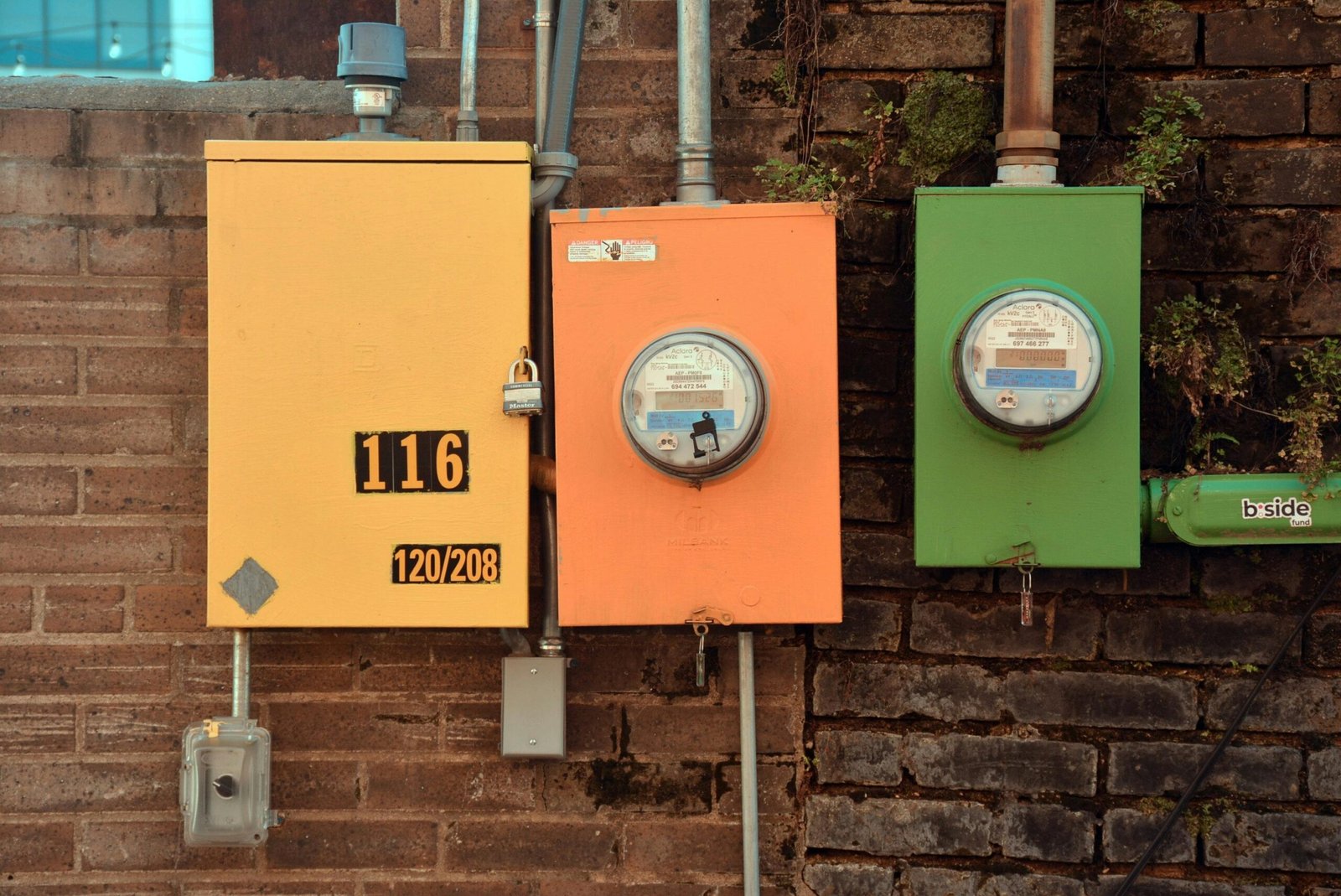
If you’ve recently searched for cms metering, you’re probably trying to understand what the term means and how it’s used in real life. Many people come across cms metering in industries like utilities, energy, and data monitoring, and want a clear explanation. In simple terms, cms metering is about tracking and measuring usage through systems designed to collect and manage data. In this guide, you’ll learn what cms metering is, how it works, and why it’s important for businesses and users.
What Is CMS Metering?
CMS metering refers to systems that measure, track, and manage usage data. The term can be linked to metering solutions in utilities, digital services, and resource management. These systems help organizations monitor consumption, analyze data, and make better decisions.
In simple words, cms metering helps measure:
-
Energy usage
-
Water consumption
-
Gas usage
-
Digital service activity
-
Resource tracking
Because data tracking is important in many industries, cms metering is used in different ways depending on the system or company.
How CMS Metering Works
CMS metering systems collect data from meters or tracking tools and send it to a central platform. This data can then be analyzed and used for reporting, billing, or monitoring.
Basic process of cms metering:
-
Data collection: Meters record usage or activity.
-
Data transmission: Information is sent to a central system.
-
Processing: Software analyzes the data.
-
Reporting: Results are shown in dashboards or reports.
-
Action: Businesses use the data to make decisions.
This process helps companies stay organized and accurate when tracking usage.
Where CMS Metering Is Used
CMS metering can be found in several industries. It helps organizations measure resources and manage operations more efficiently.
Utilities
In utility companies, cms metering is used to track:
-
Electricity consumption
-
Water usage
-
Gas usage
-
Smart meter readings
This helps providers bill customers accurately and monitor demand.
Digital Platforms
Online platforms may use cms metering to track usage, subscriptions, or digital activity. For example:
-
User logins
-
Service usage
-
Data storage consumption
This information helps improve services and manage resources.
Industrial and Commercial Use
Businesses use cms metering to monitor equipment and energy use. This helps them:
-
Reduce waste
-
Improve efficiency
-
Lower costs
-
Track performance
Monitoring data in real time allows companies to respond quickly to changes.
Benefits of CMS Metering
Using cms metering systems offers several advantages for businesses and users.
Key benefits include:
-
Accurate usage tracking
-
Better billing and reporting
-
Improved efficiency
-
Cost control
-
Data-driven decisions
These benefits make cms metering an important tool for modern operations.
Why CMS Metering Is Important
Accurate data is essential for any organization. Without proper tracking, it’s hard to know how much energy or resources are being used. CMS metering helps solve this problem by providing clear and reliable data.
Reasons it matters:
-
Helps prevent waste
-
Improves resource management
-
Supports smart planning
-
Provides transparency
-
Enhances decision-making
For both companies and customers, having clear usage data builds trust and efficiency.
Types of CMS Metering Systems
There are different types of cms metering depending on the industry and purpose.
Smart Metering
Smart meters automatically send data to central systems. This allows real-time monitoring and accurate billing.
Manual Metering
Traditional meters require manual readings. While still used, many systems are moving toward automation.
Digital Usage Metering
Digital platforms may track usage through software tools. This helps monitor subscriptions, storage, or activity levels.
Each type serves a different need but shares the same goal of accurate measurement.
Key Features of CMS Metering Systems
Most cms metering systems include helpful features that make tracking easier.
Common features:
-
Real-time monitoring
-
Automated data collection
-
Detailed reports
-
Alerts and notifications
-
Dashboard views
These tools help organizations stay informed and react quickly.
Quick Overview Table
| Topic | Details |
|---|---|
| Keyword | CMS metering |
| Purpose | Measure and track usage |
| Industries | Utilities, digital, industrial |
| Benefits | Accuracy, efficiency, reporting |
| Tools | Smart meters, software systems |
This table gives a simple snapshot of what cms metering is about.
Tips for Choosing a CMS Metering System
If you’re looking into cms metering solutions, here are some simple tips to keep in mind.
-
Choose a reliable system
-
Check data accuracy
-
Look for real-time tracking
-
Ensure easy reporting
-
Verify customer support
Selecting the right system helps you get the most value from your data.
How CMS Metering Improves Efficiency
CMS metering helps organizations run more smoothly by providing accurate data. With clear information, companies can:
-
Reduce energy waste
-
Improve operations
-
Plan better
-
Detect issues early
This leads to cost savings and better performance over time.
Safety and Data Considerations
When using cms metering systems, it’s important to keep data secure.
Safety tips:
-
Use trusted providers
-
Protect login details
-
Update systems regularly
-
Monitor for unusual activity
Taking these steps helps protect both data and users.
FAQs About CMS Metering
What is cms metering?
It refers to systems that track and measure usage data for resources or services.
Where is cms metering used?
It’s used in utilities, businesses, digital platforms, and industrial settings.
Why is cms metering important?
It provides accurate data, improves efficiency, and helps manage resources.
Is cms metering automated?
Many modern systems use smart meters and automation, but some still use manual readings.
How can I learn more about cms metering?
You can check industry websites, system providers, or official documentation.
Conclusion
CMS metering is a useful system for tracking and managing usage data across many industries. Whether it’s energy, water, or digital services, accurate metering helps organizations stay efficient and informed. By understanding how cms metering works and why it matters, you can better appreciate its role in modern systems. With the right tools and reliable data, businesses and users can make smarter decisions and improve overall performance.