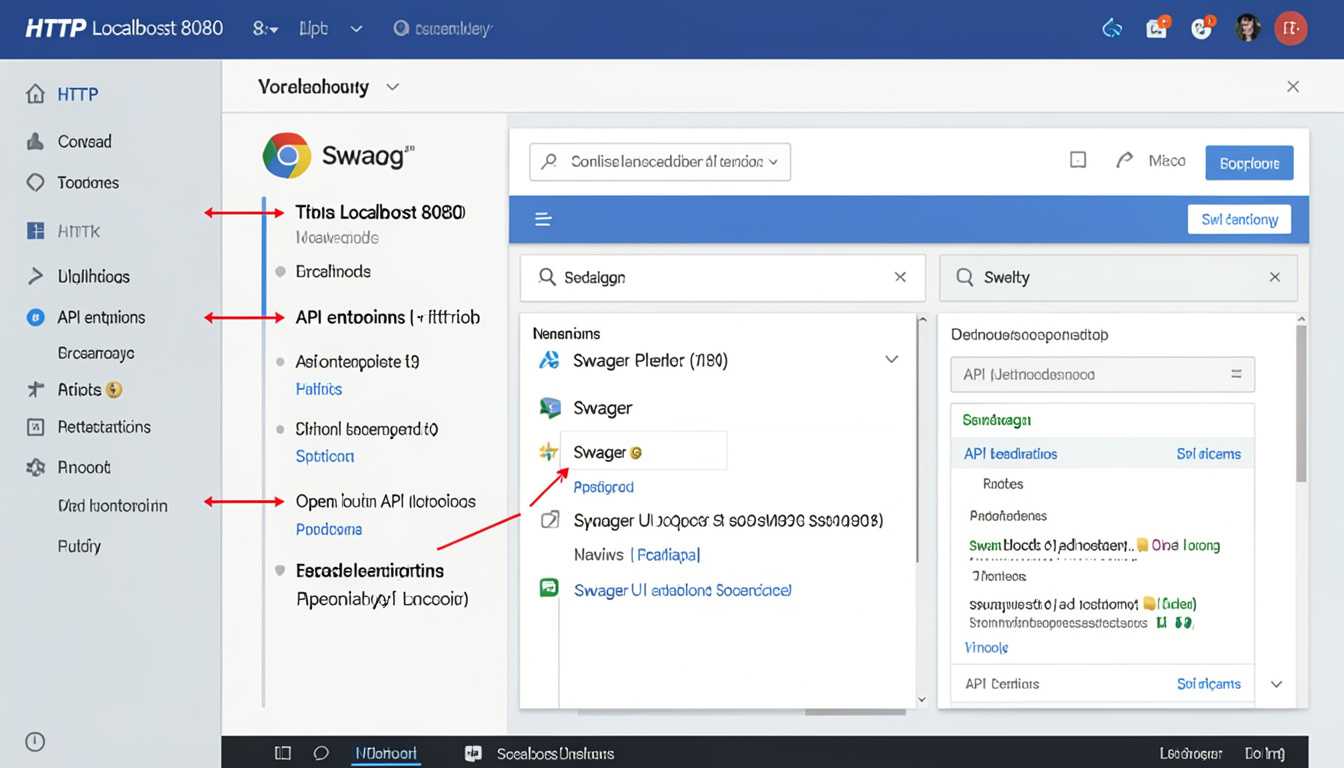
When you build a computer program or a website, you need a place to test it before the whole world sees it. Think of http localhost 8080 as your personal private workshop. The word “localhost” simply means “this computer.” When you type this into your web browser, you are telling the computer to look at itself. The number 8080 is like a specific door or “port” that the program uses to talk to you. Many developers use this specific door because it is easy to remember and does not interfere with regular internet browsing.
Using this private address allows you to see if your code works correctly. It is a safe space where you can make mistakes without breaking a real website. If you are working on a project that needs to share data, this is usually the first place you go to check your progress. It acts as a bridge between the code you write and the visual interface you see on your screen. Understanding how to navigate this local environment is a key step for anyone starting their journey in digital creation or software testing.
Understanding the Role of Swagger UI in Your Projects
Swagger UI is a very helpful tool that turns messy code into a beautiful, organized list. Imagine you have a giant box of LEGO pieces but no instructions. Swagger UI is like the manual that shows you exactly what every piece does and how they fit together. When you navigate to http localhost 8080 swagger ui html, you see a visual map of your API. An API is just a way for two different programs to talk to each other and share information.
This tool is famous because it lets you “try out” your code without writing extra scripts. You can click buttons to send information and see exactly what the computer sends back. It makes the whole process of building apps much faster and less confusing. For teams working together, it serves as a single source of truth. Instead of guessing how a feature works, every person can look at the Swagger page and understand the rules clearly.
How to Set Up Your Local Environment
Setting up your workshop starts with installing the right software on your computer. Most people use tools like Java or Node.js to run their programs locally. Once your software is ready, you tell it to start a “server.” This server sits quietly and waits for you to visit http localhost 8080. If everything is working right, your browser will show a “Hello World” message or a login screen. It is always a great feeling when you see that page load for the first time because it means your computer is officially a server.
If you want to see your API documentation, you need to make sure the Swagger library is included in your project files. You don’t need to be a genius to do this. Most modern tools have a simple setting you can turn on. Once turned on, the documentation is automatically created for you. This saves hours of manual typing and ensures your notes are always up to date with your latest code changes.
Exploring http localhost 8080 swagger ui html
Once your server is running, the magic happens when you visit the full address. By typing http localhost 8080 swagger ui html into your search bar, you open a dashboard. This dashboard lists every “endpoint” in your system. An endpoint is just a specific task your program can do, like “Save User” or “Get Photo.” Each task is color-coded. Green usually means you are adding something new, while blue means you are just looking at information.
The best part about this page is the “Try it out” button. When you click it, you can enter real data into a form. The system then runs the code and shows you the result in a black box below. This is much better than just reading text because you can actually see the code in action. It helps you find bugs or mistakes in seconds rather than hours. It turns a boring task into something that feels like a puzzle game.
Why the Address http localhost 8080 swagger-ui html is Different
Sometimes you might see the address written with a small dash, like http localhost 8080 swagger-ui html. Depending on the version of the software you use, the name of the file might change slightly. It is like calling a friend “Robert” or “Bob.” Both names refer to the same person, but you have to use the one they recognize. If you type the wrong one, you might see a “404 Not Found” error. This error just means the computer is confused about which door you are knocking on.
In newer versions of these tools, the dash is very common. If the first address does not work, always try adding the dash. It is a very common fix that solves most problems for beginners. Once you find the right path, your browser will usually remember it for you. This makes it easy to jump back into your work the next day without having to memorize long strings of text
Troubleshooting Common Connection Issues
Sometimes you might try to visit your local site and see an error message saying the site cannot be reached. Don’t worry! This happens to everyone. Usually, it means your server is not actually running yet. Check your command window to see if there are any red error messages. Another common issue is that another program is already using port 8080. It is like trying to sit in a chair that is already taken. You might need to close the other program or tell your project to use a different number.
Another tip is to check your internet settings. Even though “localhost” stays on your computer, some strict firewalls might block the connection. You can try turning off your VPN or checking your security software to make sure it allows local traffic. Most of the time, a simple restart of your computer or the software will fix the problem. Staying calm and checking things one by one is the best way to be a great developer.
The Benefits of Using Standard Ports Like 8080
Using 8080 is a standard practice across the whole world. Because so many people use it, there is a lot of help available online. If you have a problem with http localhost 8080, you can find thousands of forum posts from people who had the exact same issue. This community support is very valuable when you are learning something new. It makes you feel like you are part of a big group of creators all working on similar goals.
Also, many cloud services expect you to use this port. When you eventually move your project from your computer to a real website on the internet, having a standard setup makes the transition smooth. It prevents “it works on my machine” syndrome, where a program works for you but fails for everyone else. Following these common rules helps you build professional habits that will serve you well as you grow your skills.
Best Practices for API Documentation and Testing
Good documentation is a gift to your future self. When you use Swagger UI on http localhost 8080, you should make sure to add descriptions to your endpoints. Tell the user what kind of information is needed and what they should expect back. It is like labeling the jars in your kitchen. You might know what is in them today, but in six months, you will be happy you wrote “Sugar” on the label.
Authoritativeness comes from being organized. Use clear names for your functions and group similar tasks together. If you have five different tasks related to “Users,” put them in one section. Swagger allows you to create these groups easily. This makes your page look professional and easy to navigate for anyone else who might help you with your project. Clear notes also make it easier to find and fix errors later on.
Moving Beyond Localhost to the Real World
Eventually, you will be ready to show your work to others. This is called “deployment.” While http localhost 8080 swagger ui html is great for your own eyes, others cannot see it because it is inside your computer. You will need to move your files to a provider like AWS, Google Cloud, or Heroku. These services give you a public address that anyone can type into their browser from anywhere in the world.
Even after you go public, you will still keep your local version. It remains your “testing ground” for new ideas. You build a new feature on your local machine first, test it using Swagger, and only move it to the real site once it is perfect. This two-step process is how the biggest websites in the world, like Facebook and Google, stay running without crashing every time they add a new button.
Conclusion
Learning how to use http localhost 8080 is a giant leap forward in your tech journey. It gives you the power to create, test, and refine your ideas in a safe environment. By using tools like Swagger UI, you turn complex data into something you can see and touch. It takes the mystery out of how apps communicate and gives you total control over your digital creations. Remember to be patient with yourself as you learn these new addresses and settings.
The more you practice, the more natural it will feel. Soon, navigating to http localhost 8080 swagger-ui html will be as easy as checking your email. You are building the foundation for amazing websites and apps. Keep experimenting, keep testing, and don’t be afraid to try new things in your private workshop. The world is waiting to see what you build once you move it from your localhost to the open internet.
FAQs
1. Why can’t I open http localhost 8080 in my browser?
Most of the time, this happens because the server software on your computer is not running. You must start your project or application first. Once the software is active, it “listens” for your browser to visit that address.
2. Is it safe to use localhost for my private data?
Yes, it is very safe. The word “localhost” means the data never leaves your computer. People on the internet cannot see what you are doing on your local port 8080 unless you specifically set up a way to share it.
3. What is the difference between port 80 and port 8080?
Port 80 is the standard door for regular websites (HTTP). Port 8080 is often used as an alternative for testing or for “web proxies.” It is like having a front door for guests and a side door for your own projects.
4. Do I need internet to access http localhost 8080 swagger ui html?
No, you do not need an internet connection! Since everything is happening inside your own computer, you can work on your APIs while sitting on a plane or in a park with no Wi-Fi.
5. How do I change the port if 8080 is already busy?
You can usually change the port in your project’s settings file (like application.properties or a config file). You can change it to 8081, 9090, or almost any other number you like.
6. Can I see Swagger UI on my mobile phone?
Generally, no. Your phone is a separate device. Since “localhost” means “this device,” your phone would look at itself, not your computer. You would need to use your computer’s local IP address to see it on a phone.